This presentation by Professor Guangyu Cao addresses microbiological contamination in hospitals, highlighting staff, surgical activity, and ventilation as key sources of surgical site infections. It explains the role of CFU and PFU as indicators of airborne bacteria and viruses. Three case studies are presented: (1) measurements of particles and CFUs in a laminar airflow operating room, (2) the impact of surgical clothing and activity level on contamination near the wound, and (3) the use of depth-sensing technology to link staff movements with bacterial shedding. The presentation concludes with advanced tracking methods, including tracer gas analysis, CFD modeling, and real-time sensor monitoring.
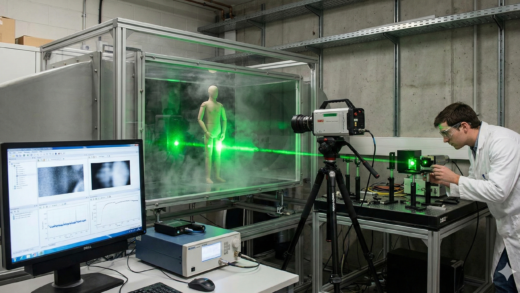
The graphics accompanying this post were generated using artificial intelligence tools